Many patients new to spider vein treatment expect that a single appointment will instantly erase those tiny red, blue, or purple lines. But the clinical reality works a bit differently. Although today’s vein treatment options are remarkably effective, achieving clear, smooth-looking skin usually requires more than a single visit.
If you are exploring options for spider vein treatment in Torrance, understanding the physiological process behind vein clearance can help you set realistic expectations as to the results. Simply put: multiple sessions are frequently needed because spider veins vary widely in size, depth, distribution, and how they respond to treatment.
At Revive Wellness Center, your expert resource for cosmetic and vascular wellness in Torrance, tailored care plans are built around the understanding that every vascular network is unique. There is no quick fix, and successful outcomes rely on a strategic, progressive approach to spider vein therapy. Here’s what you need to know:
Why Do Spider Veins Require Multiple Treatments?
How do spider veins form in the first place? Scientifically known as telangiectasias, these small, dilated blood vessels located near the surface of the skin develop when tiny valves inside the veins weaken. When blood pools rather than flowing smoothly back toward the heart, the vessel walls stretch and become visible.
When you undergo vein treatment, your provider does not physically cut out or extract the tiny vessels. Instead, modern spider vein therapy targets the vessel walls, causing the damaged vein to seal shut. Once sealed, blood naturally reroutes to healthier surrounding veins, and your body’s metabolic processes slowly break down and reabsorb the dormant vessel.
Several physiological factors explain why this process requires phased care, including:
Vein Size and Wall Density: A delicate, hair-thin red spider vein reacts much differently than a slightly thicker, dark blue vessel. Larger vessels often require multiple exposures to a targeted agent or energy source before they collapse entirely.
Vascular Pressure and Location: Veins in the lower legs endure higher gravitational pressure than those on the thighs or face. Blood flow pressure can cause a partially collapsed vessel to reopen after a single session, necessitating a follow-up touch-up.
Depth Beneath the Skin: While spider veins are superficial, some sit slightly deeper in the dermis. Reaching these deeper layers effectively without harming surrounding tissue often requires progressive, layered sessions.
Extent of Coverage: A localized patch of veins can be treated relatively quickly, but widespread networks across both legs contain hundreds of tiny branchings. Treating every vessel in one sitting is neither safe nor practical due to limits on clinical dosage and patient comfort.
The medical removal of visible veins relies on your body’s natural healing timeline. Treatment initiates the collapse, but your immune system performs the clearance over time.
Also Read: Combining Injectables, Laser Treatments, and Cosmetic Surgery at a Medical Spa in Torrance, CA
How Many Sessions Are Needed for Spider Vein Removal?
Because every individual’s vascular system reacts differently, there is no standard number of treatments that applies to everyone. During your initial consultation for spider vein removal, your care provider will evaluate the density, location, and underlying causes of your veins to craft a tailored regimen.
That said, most patients require between 2 and 5 treatment sessions to achieve optimal, long-lasting cosmetic results.
Can Spider Veins Be Removed in One Session?
While a very small, isolated cluster of superficial veins might fade significantly after one visit, total clearance in a single session is rare. It is more realistic to view the first treatment as the foundation. The initial visit typically addresses the primary feeder vessels or the highest-density areas. Subsequent appointments then target remaining veins or fine secondary branches that become visible once the larger networks collapse.
| Area / Severity | Typical Number of Sessions | What to Expect |
|---|---|---|
| Minor / Isolated Cluster | 1 to 2 Sessions | Noticeable fading early on; minor touch-ups complete the process. |
| Moderate / Multi-Area | 2 to 4 Sessions | Layered reduction; sessions spaced several weeks apart for healing. |
| Widespread / High Density | 4 to 6+ Sessions | Comprehensive treatment plan addressing feeder veins and extensive branches. |
Realistic expectations are crucial when undergoing leg vein treatment. You will likely see a gradual 50% to 80% improvement in treated areas over the course of your full care plan, rather than instant disappearance on day one.
Also Read: The Most Requested Cosmetic Treatments Inspired by Social Media
Sclerotherapy vs. Laser Vein Treatment for Spider Veins
Choosing the right approach depends heavily on vessel characteristics, skin type, and location. The two primary modalities for non-surgical vein removal are sclerotherapy and laser therapy. Only a licensed provider who physically inspects your spider veins will be able to recommend the best method or combination. Here are the major differences:
Sclerotherapy
Sclerotherapy remains the gold-standard treatment for medium-to-large spider veins on the legs. During this procedure, a specialized medical solution (a sclerosant) is injected directly into the targeted vessel using an ultra-fine needle. The solution irritates the vessel lining, causing it to swell, collapse, and stick together.
Sclerotherapy is exceptionally effective for leg veins because liquid can travel throughout tortuous or winding vessel networks that light energy cannot reach easily.
Laser Vein Treatment
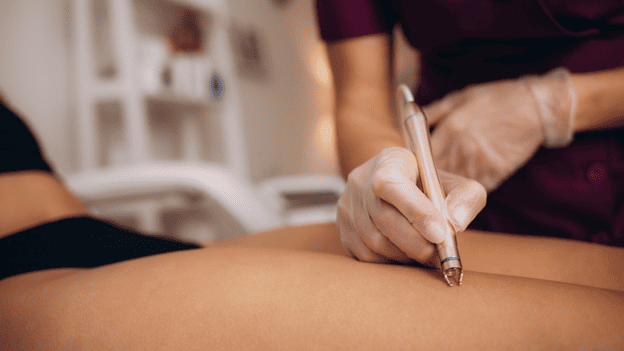
Laser vein treatment uses concentrated light energy aimed through the skin at the target vein. The hemoglobin in the blood absorbs the thermal light energy, coagulating the blood and collapsing the vessel wall without breaking the skin surface. Laser therapy is often the ideal choice for:
- Tiny, delicate facial spider veins
- Patients with a phobia of needles
- Extremely small, fine red vessels that are too narrow for a micro-needle
A Customized or Combined Approach
Neither method is universally superior. In fact, many patients benefit from a hybrid approach that has been clinically shown to yield effective results. A practitioner might use sclerotherapy to treat larger, deeper underlying vessels on the legs and follow up with laser therapy to clean up fine, superficial surface lines. Customizing the technique can help patients achieve safer, more precise outcomes.
What Affects Spider Vein Treatment Results?
How effective is spider vein treatment? Clinical studies show success rates over 80% when the treatment protocol is followed completely and underlying vascular issues are addressed. That said, if you have wondered why some veins respond instantly while others take months to fade, the answer lies in a combination of anatomy, biological response, and lifestyle factors:
- Vein Characteristics (Color, Size, and Depth): Dark blue or purple veins contain more blood volume and typically require more energy or sclerosant volume to seal than fine red capillaries.
- Underlying Venous Insufficiency: Spider veins can sometimes be surface manifestations of deeper, failing valves in larger feeder veins (reticular veins). If these underlying “feeders” are not identified and treated first, surface spider veins will continue to reopen or reappear despite treatment.
- Individual Healing Speed: Once a vein collapses, macrophages (specialized immune cells) clear away the tissue debris. Individual metabolic and healing rates dictate how quickly that clearance happens.
- Adherence to Post-Care Guidelines: Wearing medical-grade compression stockings, avoiding prolonged sitting/standing, and staying active after treatment significantly improve vessel closure rates.
- Sun Exposure: Exposing treated areas to UV light too soon after a session can cause post-inflammatory hyperpigmentation, slowing down cosmetic improvement.
How Long Does Spider Vein Treatment Take?
A complete spider vein therapy program generally takes between two to six months from your first session to your final cosmetic outcome. In-office procedures are swift and convenient. A typical sclerotherapy or laser session lasts 30 to 45 minutes, making it an easy option to fit into a busy schedule. Because these treatments are non-surgical and minimally invasive, there is virtually no downtime, and patients can walk out of the clinic immediately.
While the procedure itself is quick, the visual transformation unfolds over several weeks or months:
- Immediately After: Treated veins may look darker, slightly bruised, or raised. This is a normal inflammatory response indicating the vessel has sealed.
- Weeks 3 to 6: The body actively reabsorbs the closed vessel. Fading becomes distinctly visible.
- Spacing Between Sessions: Follow-up sessions are typically scheduled 4 to 8 weeks apart. Spacing allows your provider to assess how well the previous treatment worked and avoid over-treating an area that is still naturally fading.
Spider Vein Removal at Revive Wellness Center
Multiple treatment sessions for spider vein removal are not a sign of failed care; rather, they are a planned, progressive medical strategy designed to safely clear complex vascular patterns while protecting your skin’s health.
To find out the right treatment approach for you, request an appointment today at Revive Wellness Center in Torrance for a spider vein removal consultation.
Frequently Asked Questions
How many treatments are needed for spider veins?
Most patients require between 2 and 5 treatment sessions spaced 4 to 8 weeks apart to achieve optimal fading and clearance. The exact number depends on the size, depth, and density of the veins being treated.
Can spider veins be removed in one session?
While minor or isolated veins may fade significantly after one appointment, complete removal in a single session is rare. Multiple sessions allow providers to treat layered vein structures safely without over-treating the tissue.
What is the difference between sclerotherapy and laser vein treatment?
Sclerotherapy involves injecting a liquid solution directly into the vein to seal it, making it ideal for larger leg veins. Laser vein treatment uses targeted light energy applied through the skin surface, making it well-suited for fine, delicate veins on the face or small surface capillaries.
Why are some spider veins harder to treat than others?
Veins that are deeper, larger, subject to higher blood pressure, or fed by underlying venous insufficiency take longer to collapse and reabsorb. Individual immune and metabolic healing rates also play a key role in how quickly fading occurs.
How effective is spider vein treatment at removing visible veins?
When performed by an experienced medical professional, modern spider vein treatments generally achieve an 80% or greater improvement in visible veins across a full series of recommended sessions.
Disclaimer: This article was written under the guidance of licensed medical professionals at Revive Wellness Center and is for educational purposes only. Please consult a certified provider before initiating treatment.