
Stubborn pockets of fat can remain around the abdomen, flanks, thighs, or arms even when someone is maintaining a healthy diet and staying active. For patients considering body contouring in Palm Springs, the question often becomes whether surgical liposuction or a nonsurgical treatment better matches the amount of fat they want to reduce and the type of result they expect.
If you’re no stranger to this struggle and are thinking about getting body contouring in Palm Springs, there are two options available: surgical liposuction and non-surgical body sculpting. Liposuction may be better when someone wants more substantial, immediate fat removal and happens to be a suitable surgical candidate. Non-surgical body sculpting will appeal more to people seeking gradual fat reduction without surgery, incisions, or extended downtime.
At Revive Wellness Centers, our patients benefit from individualized guidance, as we offer both options. The right choice depends on treatment goals, the amount and location of fat, skin quality, recovery preferences, and overall health. Neither approach is universally superior; the best decision aligns with a person’s anatomy and priorities. Here’s what you need to know:
What Is the Difference Between Liposuction and Non-Surgical Body Sculpting?
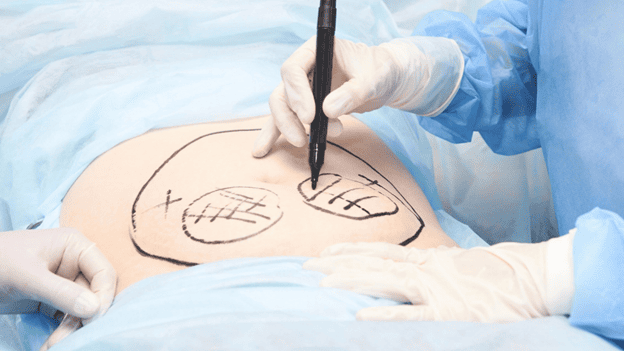
Liposuction is a surgical procedure that physically removes fat cells. A surgeon makes small incisions, inserts a thin tube called a cannula, and suctions fat from targeted areas. Techniques such as traditional suction-assisted liposuction or laser-assisted methods (including SmartLipo) can refine the process. Liposuction permanently removes the fat cells extracted during the procedure, but it does not prevent future weight gain. Maintaining a relatively stable weight can help preserve the resulting contours over time.
Non-surgical body sculpting uses energy-based technologies like laser or radiofrequency devices to damage fat cells without cutting the skin. At Revive Wellness Center, our options include treatments that heat fat tissue to a temperature that destroys the cells. The body then naturally processes and eliminates the damaged cells over weeks. These treatments do not require surgical incisions, and downtime is generally limited compared with liposuction. The treatment experience and recovery depend on the technology used, treatment area, and individual response.
Both methods focus on localized fat reduction and body contouring rather than overall weight loss. They address specific areas that do not respond well to lifestyle changes alone. A common misconception is that non-surgical body sculpting functions like a weight-loss treatment. In reality, it works best for patients already near their goal weight who want to refine shape, not shed large amounts of body mass.
Also Read: The Most Requested Cosmetic Treatments Inspired by Social Media
When Is Liposuction Better for Stubborn Fat Removal?
Liposuction often proves advantageous when a patient desires a more significant reduction of localized fat in a single procedure. The following larger or more pronounced deposits can respond well to surgical removal:
- Substantial abdominal fullness
- Thicker flanks
- Multiple areas needing simultaneous contouring
Because the fat is extracted directly, the volume reduction can be more dramatic than what non-surgical methods typically achieve in one session.
Liposuction also supports precise body contouring. Surgeons can sculpt specific regions to create smoother transitions and more defined shapes. Ideal candidates are generally in good overall health, maintain a stable weight, hold realistic expectations, and possess reasonable skin elasticity so the skin can adapt to the new contours.
Compared with the gradual thinning produced by non-surgical fat reduction, liposuction delivers more immediate structural change once swelling subsides. For someone seeking a clearer transformation in areas of stubborn fat and willing to accept surgical recovery, liposuction frequently aligns better with those goals.
When Should You Choose Non-Surgical Body Sculpting?
Many patients prefer non-invasive fat reduction options because they avoid surgery, incisions, anesthesia, and the associated recovery period. Non-surgical body sculpting suits individuals with smaller or moderately localized areas of unwanted fat who want gradual improvement without downtime. Sessions are often brief, and patients can typically return to work or daily activities right away.
Results develop over several weeks as the body clears the treated fat cells, and multiple sessions may be recommended for optimal effect. This approach works well for people who are not seeking the degree of fat removal that surgery provides or who prefer to progress in stages. For the right patient, nonsurgical body sculpting offers a different treatment strategy rather than a smaller version of liposuction. It may make more sense when the desired change is moderate and avoiding surgical recovery is an important priority.
Liposuction vs. Body Sculpting: Which Factors Should You Consider?
The following considerations create a practical framework, but the final recommendation should rest on a careful evaluation of the individual rather than a blanket preference for one technique:
Amount of fat
More substantial deposits often favor liposuction because a single procedure can remove a larger volume. Smaller, localized pockets may respond sufficiently to non-surgical treatments.
Desired results
Patients seeking more significant, noticeable fat removal and reshaping may lean toward liposuction. Those comfortable with gradual reduction and subtle improvement often choose non-surgical body sculpting.
Recovery
Liposuction involves a recovery period that can include swelling, bruising, compression garments, and temporary activity limits. Non-surgical treatments generally involve little to no downtime.
Treatment process
Liposuction requires anesthesia (local or general depending on the case), small incisions, and a single primary procedure. Non-surgical options involve no cutting, no anesthesia in most cases, and often a series of sessions.
Skin quality
Good skin elasticity supports better contouring results after either approach. Patients with significant laxity may need additional considerations, as pure fat removal alone does not always tighten loose skin.
Treatment area
The location and characteristics of the fat, whether it is dense, fibrous, or spread across multiple zones, influence which method is more practical.
Budget & long-term expectations
Cost depends on the treatment area, number of areas being treated, procedure selected, and number of sessions required. Liposuction and nonsurgical body contouring have different cost structures, so comparing the complete treatment plan is more useful than comparing the price of a single session. After either treatment, maintaining a stable weight is important. Neither liposuction nor body sculpting prevents future weight gain, and both are intended for body contouring rather than weight management.
Check out our blog for more resources.
What Can You Expect From Body Contouring at Revive Wellness Centers?
At Revive Wellness Centers, we approach cosmetic fat removal and body contouring with an emphasis on individualized care. During a consultation, our providers will assess the treatment area, discuss aesthetic goals, evaluate skin characteristics, and review desired downtime. Recommendations account for body composition and realistic outcomes rather than simply selecting the most aggressive option available.
Depending on the treatment area and goal, our nonsurgical body-contouring options may include:
Recovery, Results & Long-Term Maintenance
After liposuction, swelling, bruising, soreness, and temporary activity restrictions are expected. Compression garments may also be recommended. The return to work, exercise, and other activities depends on the extent of treatment, areas treated, and individual recovery. Swelling continues to improve over time, so the final contour is not visible immediately.
Nonsurgical body sculpting generally involves less recovery, although temporary redness, warmth, tenderness, swelling, or other treatment-area effects may occur depending on the technology used. Results develop gradually as the body responds to treatment, and some patients may need more than one session.
In both cases, final outcomes take time to stabilize. Maintaining a stable weight through balanced nutrition and regular activity helps preserve the improved contours. Neither treatment substitutes for healthy weight management; they refine shape once a patient is near a sustainable weight.
Find the Right Body Contouring Approach for You
Choosing between liposuction and nonsurgical body sculpting comes down to more than how much fat you want to reduce. The treatment area, skin quality, desired degree of change, overall health, and the amount of recovery you are comfortable with all matter.
If you’re considering body contouring in Palm Springs, schedule a consultation with Revive Wellness Centers. We can evaluate the areas you want to address, compare surgical and nonsurgical options, and recommend an approach based on your anatomy, goals, and recovery preferences.
FAQs
1. When is liposuction better than non-surgical body sculpting?
Liposuction is often preferable when a patient wants more significant removal of localized fat in one procedure, has larger or more pronounced deposits, and is a suitable surgical candidate with realistic expectations and adequate skin elasticity.
2. What is the difference between liposuction and body sculpting?
Liposuction surgically suctions fat cells out of the body. Non-surgical body sculpting uses laser or radiofrequency energy to damage fat cells so the body can eliminate them naturally over time, without incisions or anesthesia.
3. Is liposuction more effective than non-surgical fat reduction?
Liposuction can remove a greater volume of fat in a single session and produce more dramatic contour changes. Non-surgical methods deliver more moderate, gradual reduction and may require multiple sessions. Effectiveness depends on the amount of fat and the patient’s goals.
4. Who is a good candidate for liposuction versus non-surgical body sculpting?
Good liposuction candidates are typically healthy, at a stable weight, and seeking substantial localized fat removal. Non-surgical candidates are often near their goal weight, prefer no downtime, and have smaller or moderate areas of concern.
5. How long does it take to see results from liposuction and body sculpting?
After liposuction, initial changes appear as swelling decreases over weeks to months. Non-surgical results develop gradually over several weeks to about three months as the body clears treated fat cells.
Disclaimer: This article was written under the guidance of medical professionals at Revive Wellness Centers and is for educational purposes only. Candidacy for liposuction or body sculpting requires an in-person consultation with a licensed provider. This article does not in any way constitute professional medical advice.